Understanding Carp Behaviour
Observing carp isn’t just about watching fish glide through water, it’s about decoding a language of subtle gestures and movements. Carp are intelligent, highly adaptable creatures that react to the smallest changes in their environment. They learn to associate certain sounds or shadows with danger, and their feeding habits can shift dramatically depending on weather, light, and water conditions.
Understanding these behavioural nuances gives anglers a distinct edge. For example, a sudden swirl near the margins might indicate wary carp testing the area for safety before feeding. Seasoned anglers watch for these signs and adjust their tactics accordingly, knowing that even the scent of bait or the pressure of footsteps on the bank can influence carp behaviour. The more closely you tune into these cues, the more rewarding your time by the water becomes.
Essential Gear for Lake Observation
Binoculars are often overlooked, yet they’re indispensable for any angler keen to master how to read lakes like a pro and find more carp. With a good pair of lenses, you can scan distant margins, spot subtle surface disturbances, or even pinpoint fizzing where carp feed just below the surface. Coupled with a compact notepad, you can jot down patterns or changes in fish behaviour, building up a personal lake log that sharpens your tactics over time.
A quality pair of polarised sunglasses is another game-changer. By cutting glare, these glasses reveal hidden features beneath the water, like sunken snags, gravel bars, or cruising shadows of carp. Don’t forget a lightweight folding chair and a weatherproof jacket, comfort keeps you alert and observant during those crucial hours at the bank. When you combine these essential tools, lake observation becomes less about guesswork and more about informed strategy, giving you the upper hand in unlocking a venue’s secrets.
Reading Surface Signs and Movements
Ripples, swirls, and subtle colour changes on the water’s surface are more than just pretty patterns, they’re clues. Carp often betray their presence with slicks where they feed, gentle bow waves as they cruise, or the tiniest pinpricks of bubbles rising from the lakebed. To master how to read lakes like a pro and find more carp, train your eyes to notice these fleeting signs. Early morning and late evening are prime times, the low light exaggerates movement and disturbances, making them easier to spot.
Don’t just focus on obvious shows like leaping fish. Watch for faint tremors in marginal reeds or patches of flattened weed, often, these overlooked details reveal the real hotspots. Patience pays off, spend time observing before casting, and you’ll soon develop an instinct for recognising where carp are most active. By turning surface signs into strategic action, you elevate your angling game far beyond guesswork, connecting with the underwater world in ways few ever do.
Identifying Prime Carp Holding Areas
Locating prime carp holding areas isn’t just about spotting obvious features, it’s about decoding the subtle clues that most anglers overlook. When learning how to read lakes like a pro and find more carp, pay close attention to marginal shelves, overhanging trees, and irregularities in the lakebed. Carp are drawn to places where food gathers and they feel secure, so areas with a mix of depth changes, natural cover, and gentle drop-offs often hold the biggest surprises.

Don’t underestimate the power of wind direction and water temperature either. The prevailing wind often pushes natural food into certain bays or corners, creating rich feeding zones. Similarly, a patch of slightly warmer water, perhaps near an inflowing stream or a sun-kissed shallow, can become a magnet for carp early in the season. By combining these nuanced observations with keen watercraft, you’ll master how to read lakes like a pro and find more carp, turning every session into a lesson in their secret world.
Decoding Weather and Water Conditions
Reading lakes and understanding the subtle interplay between weather and water conditions. Shifting winds often signal changes in carp behaviour, pushing food sources and oxygen-rich water into new areas. A sudden warm front can trigger a flurry of surface activity, drawing carp into shallow margins, while a drop in air pressure might see them feeding confidently along deeper shelves.
But it’s not just about temperature or wind direction, cloud cover, rainfall, and even barometric shifts all leave clues. After heavy rain, for example, fresh inflows can wash in natural food and oxygen, creating prime hotspots that savvy anglers target first. By decoding these patterns, you transform guesswork into strategy, unlocking the secrets of the lake and consistently outsmarting even the wariest carp.
Recognising Feeding Patterns and Times
Understanding how to read lakes like a pro and find more carp often starts with recognising subtle feeding patterns and prime times. Observing the water for tell-tale signs such as bubbling, coloured swirls, or slight surface disturbances can reveal when carp are actively foraging. These moments might occur at dawn, dusk, or even during a sudden drop in air pressure, times when carp are most likely to feed confidently.
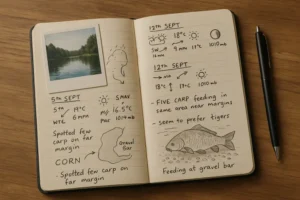
Sharpen your edge by noting not only the obvious splashes but also the rhythm of activity across different areas of the lake. Carp often patrol margins at first light and then move to deeper shelves as the sun climbs higher. By logging these patterns, you’ll build an internal calendar unique to each venue, turning guesswork into informed decision-making and helping you consistently outwit wary carp.
Using Technology to Your Advantage
Harnessing technology can completely transform how you approach carp fishing, especially when learning How to read lakes like a pro and find more carp. Modern sonar devices, underwater cameras, and mapping apps provide an unprecedented window beneath the surface, revealing hidden features like gravel bars, drop-offs, and weed beds where carp love to congregate. Instead of relying solely on visual clues or guesswork, you can pinpoint prime hotspots with laser precision.
Moreover, digital logbooks and weather tracking apps enable you to keep detailed records of your sessions, fish activity, and environmental conditions. Analysing this data over time helps reveal subtle patterns in carp behaviour that might otherwise go unnoticed. By blending intuition with tech-driven insights, you’ll consistently stay one step ahead , and your catch rates will reflect it.
Adapting Tactics to Lake Features
One of the secrets to unlocking a lake’s potential is learning how to read its unique features and adapting your tactics accordingly. Carp are creatures of habit, often seeking out areas that offer both safety and food, think drop-offs, weed beds, gravel bars, and snags. By studying subtle changes in water colour, the direction of wind, and even the presence of bird activity, you can pinpoint these hotspots and position your bait where carp naturally congregate.
How To Read Lakes Like A Pro And Find More Carp isn’t just about spotting obvious landmarks, it’s about interpreting the story the lake tells each day. For example, a gentle ripple against a secluded margin might signal a cruising carp, while a sudden cloud of silt could reveal feeding activity on the bottom. Adjusting your rigs, bait presentation, and casting angles based on these cues can make the difference between a blank session and a red-letter day. The more time you spend decoding a lake’s subtle language, the more carp you’ll put on the bank.
Common Mistakes and How to Avoid Them
Many anglers overlook subtle signs on the water’s surface, focusing solely on obvious features like islands or overhanging trees. However, learning How to read lakes like a pro and find more carp means paying attention to wind direction, subtle temperature changes, and small patches of bubbling that indicate feeding fish. One common mistake is ignoring these delicate clues and instead sticking rigidly to familiar spots, missing out on active carp zones that shift with the seasons.
Another pitfall is failing to adapt tactics when conditions change. For example, using the same bait and presentation regardless of light levels or weather can quickly turn a promising session into a blank. The key is to stay observant, watch for natural food sources drifting in the margins or carp patrolling shallow bays at dawn. By being open-minded and responsive to what the lake is telling you, you’ll unlock the secrets beneath the surface and dramatically improve your chances of finding more carp.
Bringing It All Together: Next Steps
Now that you’ve explored the nuances of how to read lakes like a pro and find more carp, it’s time to put theory into practice. Start by revisiting familiar waters with fresh eyes, apply your understanding of wind direction, water clarity, and underwater features to identify overlooked hotspots. Don’t just settle for the obvious margins; scan for subtle drop-offs, gravel bars, or snaggy areas where big carp might be lurking undisturbed.
Keep a detailed logbook of your sessions, noting not only catches but also observations about lake behaviour and carp movements. Over time, patterns will emerge, helping you anticipate where carp are likely to be as seasons change. Remember, mastering how to read lakes like a pro and find more carp is a journey, not a destination, embrace experimentation and let curiosity lead you to new successes.